The Architecture of Clarity: Why Stencil Precision Dictates Tattoo Longevity
• by DND Applications • 5 min read
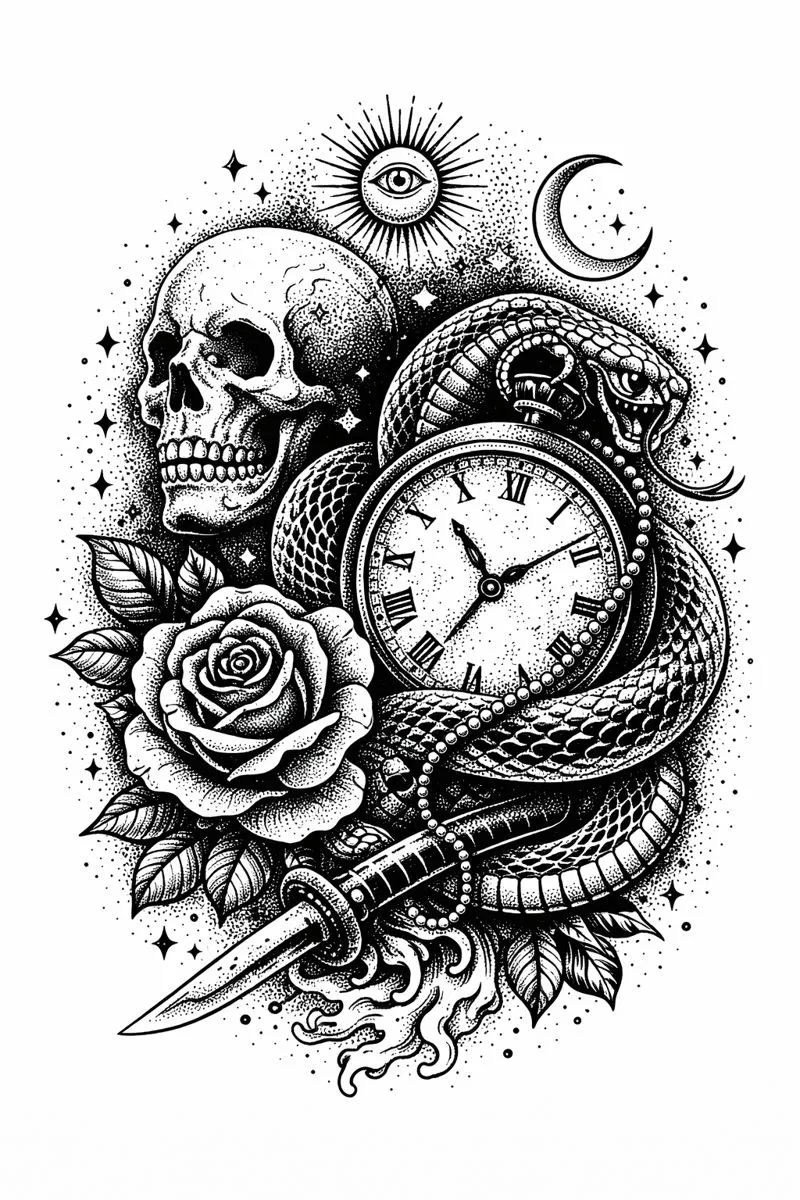
The most stressful moment in a tattoo session is often not the tattooing itself. It is the realization, three hours into a complex piece, that your guide is vanishing. For professional artists, the tattoo stencil is more than a purple guide on the skin. It is the architectural blueprint that holds the entire structure of the artwork together. When the reference image is muddy or the transfer lacks high-contrast definition, the artist is forced to improvise. Improvisation is the enemy of precision in realism and geometric work. This article explores the fundamental role of preparation and how optimizing your transfer process can save hours of frustration.
The Contrast Dilemma in Manual Tracing
A resilient stencil tattoo requires a delicate balance. It must be bold enough to survive the wipe of a paper towel yet detailed enough to guide micro-realism. Manual tracing or tweaking settings in standard photo editors often results in a loss of critical data. You are forced to decide which details matter. This binary choice often strips the nuance from a portrait or the flow from a script. The goal is to retain the map of the mid-tones without creating a muddy mess that confuses the eye during the session. Without clear separation between light and dark values, the artist risks losing the composition halfway through the appointment.
Bridging the Gap from Screen to Skin
The digital image on your tablet usually looks crisp and vibrant. The printout, however, often looks like a Rorschach test. The struggle to convert image to tattoo stencil involves fighting against the limitations of thermal printers and transfer paper. Artists frequently waste valuable consultation time adjusting levels, brightness, and threshold settings just to get a usable outline. This friction between the digital reference and the physical image to stencil transfer is where fatigue sets in before the machine even turns on. A workflow that cannot accurately translate digital pixels into physical carbon requires the artist to fill in the blanks from memory, increasing the cognitive load during the procedure.
Optimizing the Workflow for Modern Artists
Time spent fighting with generic photo editors or a light table is time stolen from tattooing. The modern artist requires a workflow that respects the complexity of the source image while understanding the limitations of the transfer medium. You need a dedicated tattoo stencil maker that understands edge detection better than a generic filter. A purpose-built tattoo stencil generator should act as a digital apprentice. It should clean the noise and heighten the signal. When you can trust that your lines will remain true to the source, you can approach the skin with confidence rather than caution.
Elevate Your Art with Stencify
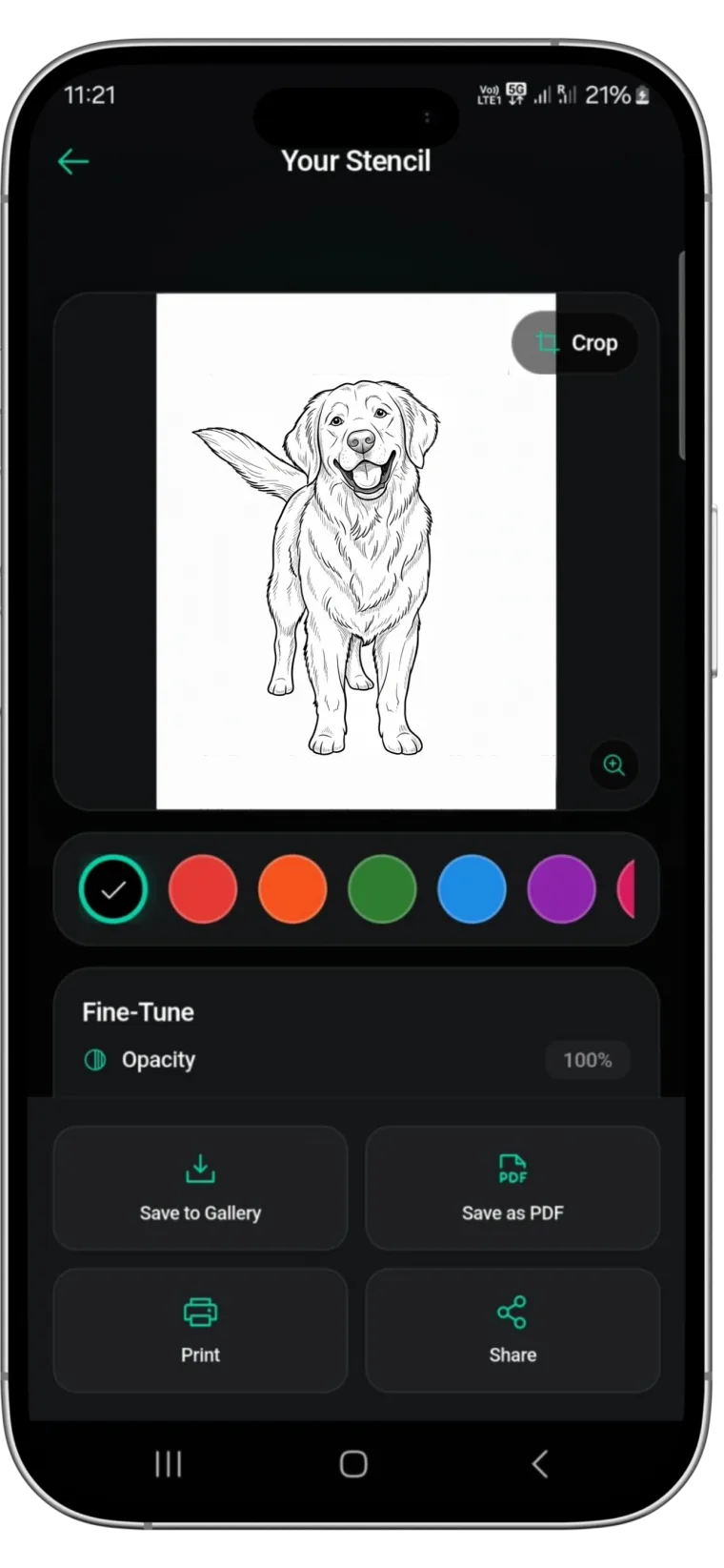
This is where Stencify changes the dynamic of your preparation. Designed specifically for the workflow of professional tattooers, Stencify serves as the ultimate tattoo stencil app. It utilizes advanced processing to ensure that every significant line and shade is preserved for the thermal printer. Whether you are working on micro-realism or bold traditional work, Stencify allows you to visualize and adjust your stencil instantly. Stop wrestling with contrast sliders and start focusing on your craft. Experience the difference of a tool built by artists for artists.
Download Stencify on the App Store and elevate your workflow today.
Related reading
- Mastering Contrast and Flow - visual hierarchy principles for high-fidelity stencils
- Tattoo Stencils 101 - clean transfers from artwork to skin
- The Midnight Grind - overcome the invisible workload of professional tattooing
Stencils that survive the session
Stop wrestling with contrast sliders. Stencify ensures every significant line and shade is preserved for your thermal printer, so your guide stays readable from start to finish.