Mastering Contrast and Flow: The Architecture of a Flawless Tattoo Stencil
• by DND Applications • 5 min read
Every professional tattoo artist knows that the longevity of a piece begins long before the needle touches the dermis. It starts with the blueprint. A compromised guide inevitably leads to hesitant linework and muddied shading. The struggle often lies not in the drawing ability of the artist but in the translation of a complex reference image into a readable, transferable guide. When a reference photo contains subtle gradients or low-light details, the manual process of extracting essential lines can become a tedious battle against visual noise. This article explores the fundamental principles of high-fidelity stencil design and how to maintain structural integrity from the digital screen to the skin.
The Hierarchy of Visual Information
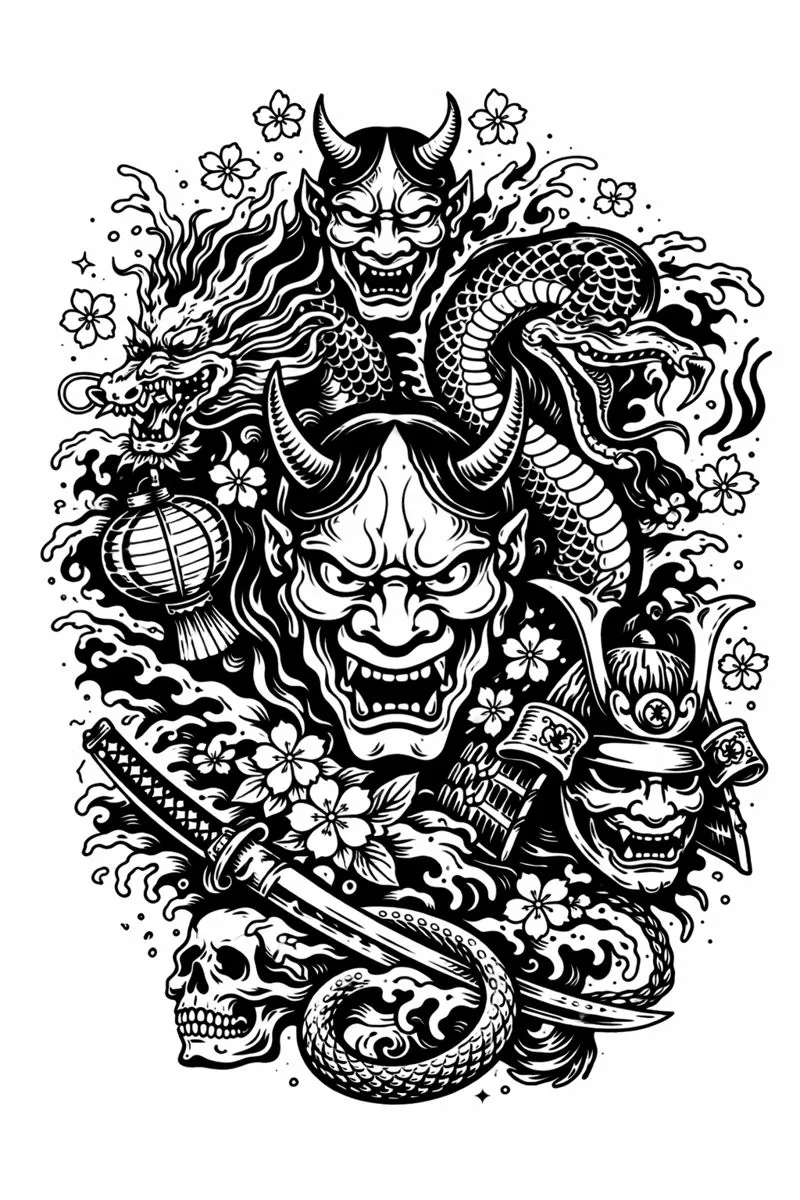
Creating a functional tattoo stencil requires more than just tracing outlines. It demands a sophisticated understanding of visual hierarchy. When you look at a realistic photograph, your eye naturally filters out unnecessary texture, but a raw transfer does not. To produce a superior stencil for tattoo application, the artist must decide which details are structural and which are merely atmospheric. This process involves stripping away the mid-tones that clutter the guide while reinforcing the high-contrast elements that define the form. Without this hierarchy, the transfer becomes a dark blob on the skin, leaving the artist guessing during the actual tattooing process.
Interpreting Values for Longevity
A skilled tattoo stencil creator acts as a translator between the language of photography and the language of ink. Photographs have infinite resolution; skin does not. When you act as a manual picture stencil maker, you are essentially converting values into binary data: black lines and white space. The challenge arises when dealing with soft shadows. A common mistake is over-lining these shadowed areas, which results in a tattoo that looks too heavy or "bruised" once healed. The goal is to imply form through negative space rather than explicit definition. Mastering this balance ensures that your stencil tattoo guide allows for future ink spread and aging, preserving the clarity of the design for years to come.
Efficiency in the Design Workflow
Time remains the most valuable asset in a busy shop. While the romantic notion of hand-tracing every element persists, the modern industry demands efficiency without sacrificing quality. The ability to convert image to tattoo stencil formats quickly allows artists to focus their energy on the execution rather than the preparation. Whether you are using a light box or digital tools, the objective remains the same: accuracy and speed. A reliable tattoo stencil maker process reduces client wait times and prevents artist fatigue, ensuring that your hand is steady when it matters most.
Elevating Your Process with Stencify
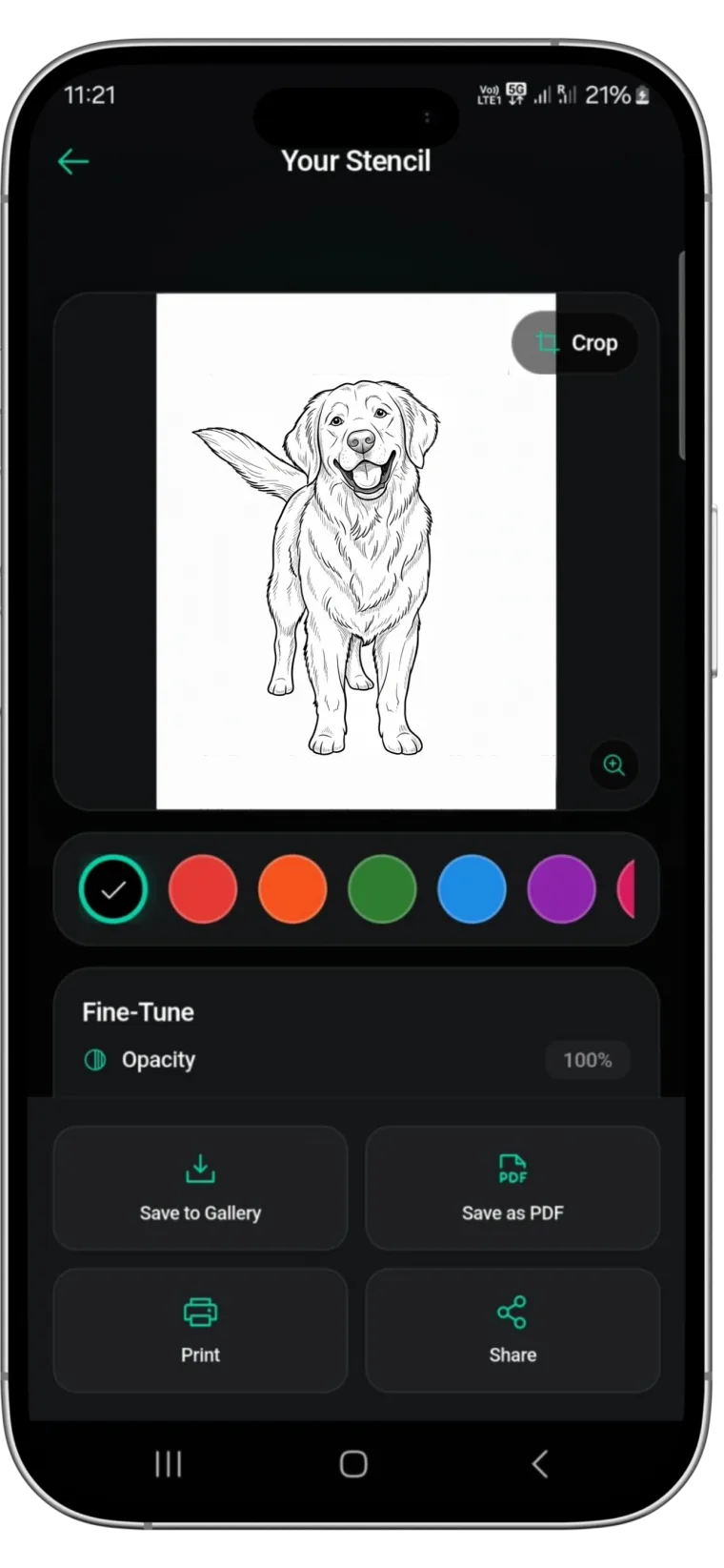
While understanding the theory of contrast and flow is essential, having the right tools to execute that theory is transformative. For artists looking to streamline their workflow, Stencify serves as a premium tattoo stencil app designed to handle the heavy lifting of value separation. Unlike basic filters that destroy detail, Stencify uses advanced processing to interpret reference images like an artist would, giving you precise control over line weight and contrast. It is the ultimate tattoo stencil creator for professionals who refuse to compromise on the quality of their blueprints. Stop wasting hours tracing and start focusing on your art.
Download Stencify on the App Store and elevate your workflow today.
Related reading
- The Architecture of Clarity - why stencil precision dictates tattoo longevity
- Mastering Contrast: Reference Images - interpret photos and establish line hierarchy
- Beyond the Trace - master reference preparation for perfect stencils
Master contrast without the manual work
Stencify handles the heavy lifting of value separation and line weight calculations. Get high-fidelity stencils that maintain structural integrity from screen to skin.