Navigating Client Expectations: From Pinterest Boards to Realistic Tattoo Stencils
• by DND Applications • 7 min read
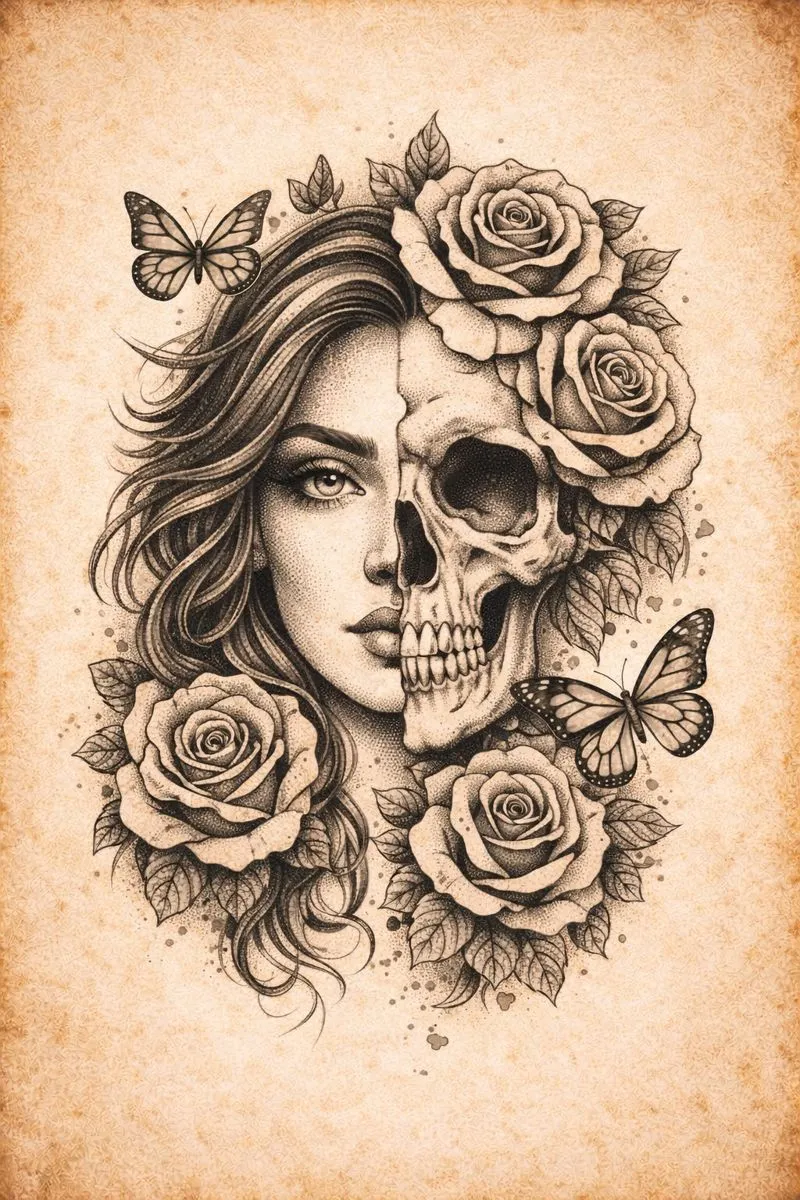
A client walks in with twenty saved images from Pinterest, a screenshot from Instagram, and a photo of their cousin's tattoo. None of the references match. Some are different styles entirely. The client points at all of them and says, "Something like this." This scenario plays out in tattoo studios every day, and it represents one of the biggest challenges in professional tattooing: translating a client's vision into a workable tattoo stencil when their expectations are built on curated, filtered, and often unrealistic source material.
The Pinterest Problem
Social media has changed how clients discover and conceptualize tattoos. Before platforms like Pinterest and Instagram, clients brought in hand-drawn sketches or described their ideas verbally. Today, they arrive with carefully assembled mood boards filled with images from different artists, styles, and even different mediums like digital illustration or photography. The challenge is that these reference images often represent finished work photographed under ideal lighting, edited for maximum contrast, and sometimes digitally enhanced. Clients see these polished results and assume that is what their tattoo will look like straight out of the chair. The gap between a filtered Instagram post and the reality of ink on skin is where artist-client tension begins.
Why References Rarely Translate Directly
A reference image is not a blueprint. It is a starting point for conversation. Most client-provided references contain elements that cannot be directly reproduced as a stencil tattoo guide for several practical reasons. The source image might combine multiple art styles that conflict when placed on skin. It might include color gradients that rely on digital rendering techniques impossible to replicate with ink. The proportions might work on a flat screen but distort when wrapped around a forearm or stretched across a ribcage. Understanding these limitations is not about saying "no" to clients but about guiding them toward a result that will actually look better than what they initially imagined.
Setting Expectations Through Visual Communication
The most effective way to manage client expectations is to show rather than tell. Instead of explaining why a particular reference will not work as imagined, show the client what the picture to stencil conversion actually looks like. When a client can see the clean linework extracted from their reference, they begin to understand the translation process. This visual conversation shifts the dynamic from "you cannot have what you want" to "here is how we make this work on your body." Generating a quick stencil preview during the consultation gives clients a concrete anchor for the discussion. It replaces abstract promises with tangible progress.
Combining Multiple References Into One Design
When clients bring multiple conflicting references, the artist's job is to find the common thread. Often, what the client actually wants is not any single image but a feeling or aesthetic that connects them all. One reference might have the composition they like. Another might have the line quality. A third might have a specific element like a flower or symbol. Breaking references down into these components and then using a reliable image to stencil workflow to extract the usable elements from each makes the design process faster and more collaborative. The client sees their input being respected while the artist maintains control over what will actually work on skin.
The Consultation as a Collaborative Process
Consultations that go wrong usually share a common pattern: the artist accepts the reference without discussion and then delivers something that does not match the client's internal vision. Consultations that go well involve the artist actively shaping expectations through questions, sketches, and stencil previews. Asking the right questions matters. What draws you to this image? Is it the subject, the style, or the placement? Would you prefer bolder lines or finer detail? By converting references into preliminary stencils on the spot, you create a feedback loop that catches misalignments early, before anyone has committed to a final design. This saves hours of revision and prevents the uncomfortable conversation that happens when a finished drawing does not match expectations.
How Stencify Bridges the Gap
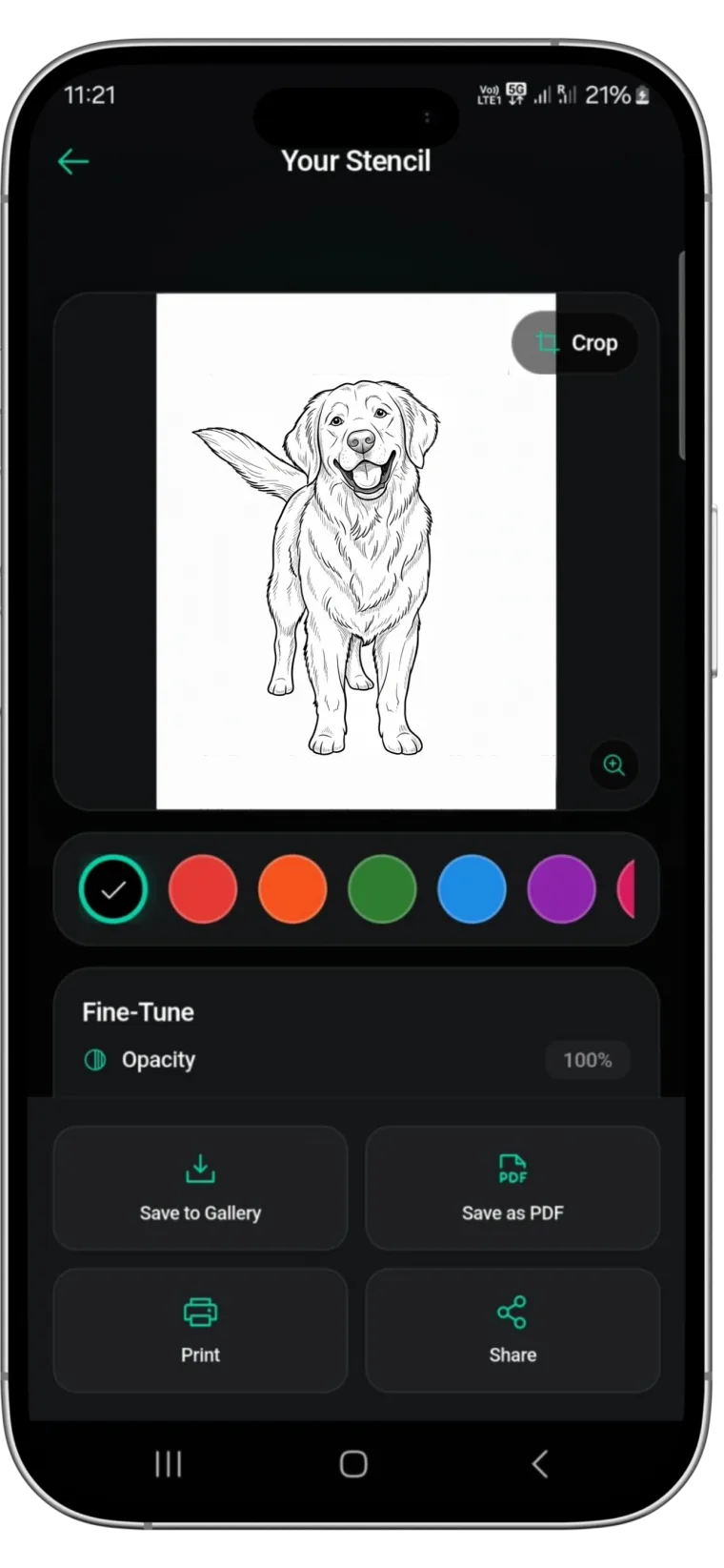
Stencify is built for exactly this moment in the consultation process. When a client hands you a reference photo, this tattoo stencil app can generate a clean, high-contrast stencil preview in seconds. Instead of asking the client to imagine what the reference would look like as linework, you can show them. The ability to convert image to tattoo stencil formats instantly transforms the consultation from a guessing game into a collaborative design session. Clients leave the consultation confident in what they are getting, and artists start the session with a clear, agreed-upon direction.
Ready to transform your consultations? Get Stencify on the App Store and bridge the gap between client vision and professional execution.
Related reading
- Building a Portfolio That Books - how clean stencils elevate your tattoo showcase
- The Burden of Interpretation - from scattered references to ready stencils
- Streamline Tattoo Consultations - keeping consultations profitable while protecting creative energy
Show clients exactly what they will get
Stencify converts any reference photo into a clean stencil preview in seconds. Transform your consultations into collaborative design sessions.