Mastering Tattoo Cover-Ups: Assessment, Color Theory, and Precision Stenciling
• by DND Applications • 5 min read

Every tattoo artist knows the specific look on a client's face when they walk into the shop with regret on their skin. Perhaps it is a name of a past lover, a faded piece of tribal flash from the nineties, or a DIY project that went wrong. Cover-ups are a staple of the industry, yet they represent one of the most technically demanding challenges a professional can face. Unlike fresh work on virgin skin, a cover-up is a strategic puzzle that requires a deep understanding of pigment interaction, composition, and precise preparation.
Successful cover-ups are not just about packing black ink over an old design. They are about deception, distraction, and the intelligent use of space. To elevate your cover-up game, you must master the assessment of the old ink and the precision of your new application.
The assessment and psychological approach
Before a needle touches the skin, the consultation determines the success of the project. The first step is managing expectations. Clients often come in with a specific image from an AI tattoo generator or Pinterest that features delicate fine lines and negative space. These references are often beautiful, but they are rarely suitable for hiding dark, existing pigment.
An artist must explain why certain styles work better than others. Traditional Americana, Japanese Irezumi, and Neo-Traditional styles are often superior choices because of their bold lines and heavy saturation. When a client brings you a concept from a tattoo generator free of charge online, your job is to adapt that concept into a reality that accounts for the scar tissue and density of the old tattoo.
Color theory and distraction
Covering a tattoo is rarely about physically blocking out the old ink entirely unless you are doing a blackout piece. It is about drawing the eye away from the previous mistake. This is where color theory becomes your strongest ally. Cool colors like blues, greens, and purples generally cover better than warm tones like reds or yellows, which lack the opacity to hide dark carbon lines.
Texture is equally important. A stencil tattoo that relies on organic flows, such as feathers, scales, or hair, provides enough visual noise to camouflage the straight lines of old lettering or geometric shapes. The goal is to confuse the eye so it follows the new tattoo AI generated patterns rather than the faded underlying structure.
The importance of precision stenciling
Once the design is finalized, the technical execution begins. This is where many cover-ups fail. If your tattoo stencil is weak or gets lost in the dark pigments of the old tattoo, you are flying blind. Applying a stencil over an existing tattoo presents unique visibility issues. The purple transfer fluid can easily blend with the old blue or black ink, making it difficult to distinguish your new lines from the old mistakes.
Experienced artists often use a light table or digital tools to overlay the new design onto a photo of the client's existing tattoo during the design phase. This ensures that the darkest parts of the new design align perfectly with the darkest parts of the old one. However, translating this digital plan into a physical tattoo stencil app approach requires high contrast and sharp lines. You cannot afford for the stencil to wipe away mid-session, as you lose your map through the treacherous terrain of the cover-up.
Modernizing your workflow with Stencify
In the high-pressure environment of a cover-up session, you need tools that reduce variables and increase precision. While the artistry comes from your hand, the preparation can be optimized by technology. This is where AI tattoo tools and modern applications bridge the gap between concept and execution.
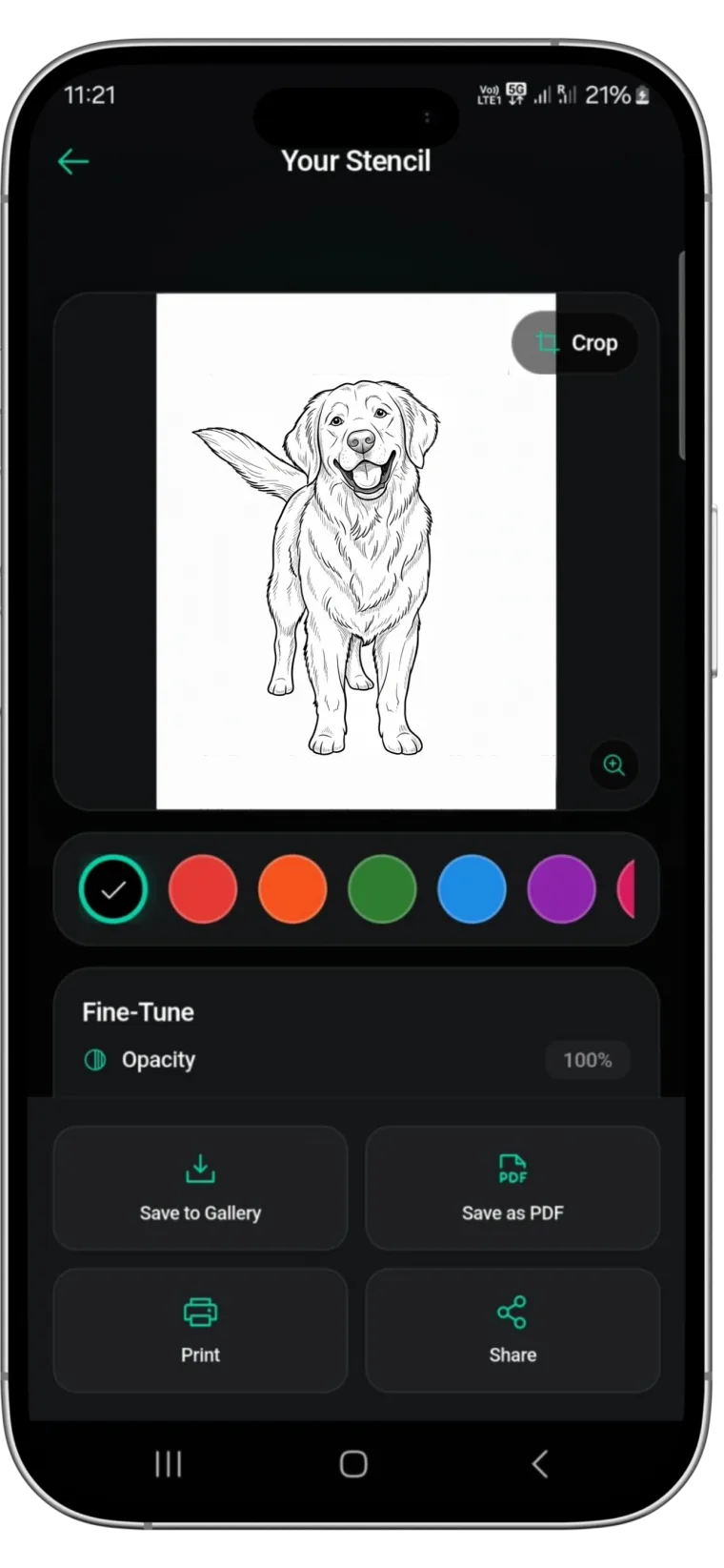
For artists seeking the sharpest possible transfers, Stencify offers a robust solution. It is designed to process images into crisp, high-contrast stencils that stand out even against busy backgrounds. By using Stencify, you can take a complex design intended for a cover-up and instantly convert it into a line-work map that is easy to follow. It eliminates the tedious hours of manual tracing and allows you to visualize different contrast levels before you even print. Whether you are dealing with a complex biomechanical cover-up or a simple floral blast-over, Stencify ensures your foundation is solid.
Related reading
- Mastering Contrast and Flow - visual hierarchy for flawless stencils
- The Architecture of Clarity - why stencil precision dictates tattoo longevity
- Tattoo Stencils 101 - fundamentals of clean transfers
Precision stencils for flawless cover-ups
Convert complex designs into crisp, high-contrast stencils that stand out even against existing ink. Stencify ensures your foundation is solid for every cover-up.