Precision in Contrast: The Foundation of a Lasting Stencil Tattoo
• by DND Applications • 7 min read
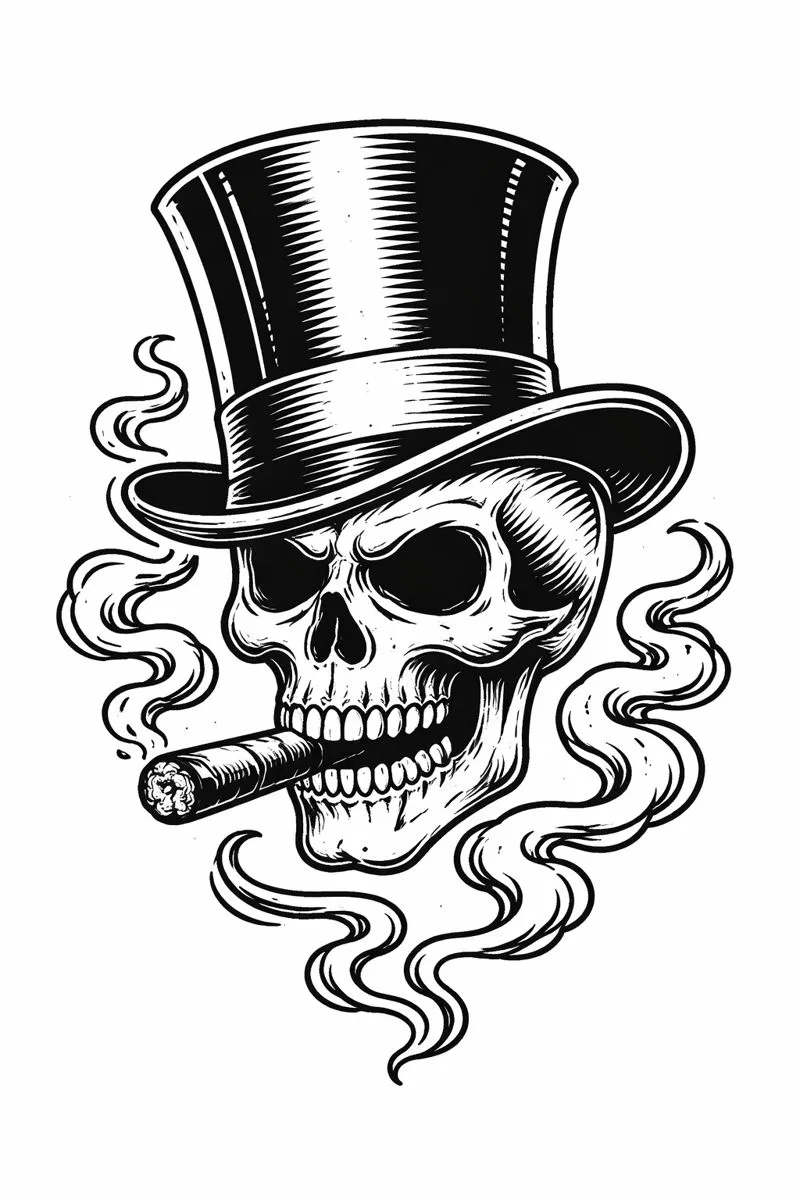
Every needle depth, every wipe of green soap, and every line pulled relies entirely on one critical asset. The stencil. While the final artwork is what the world sees, the tattoo stencil is the blueprint that dictates the structural integrity of the piece. For professional artists, the challenge is rarely the tattooing itself but rather the translation of a complex reference image into a readable, transferable guide that survives the duration of the session.
The Hierarchy of Lines in Reference Preparation
When preparing a stencil for tattoo application, the primary objective is simplification without the loss of identity. Photographs capture infinite gradients of light and shadow, yet a thermal copier operates in a binary world. It sees only black and white. The artist must bridge this gap by establishing a hierarchy of lines. The boldest lines must anchor the composition, serving as the skeletal structure, while finer lines suggest texture and shading boundaries. Failing to separate these elements during the design phase often leads to a muddy transfer that disappears halfway through the appointment.
Contrast as a Tool for Longevity
Many artists struggle when they attempt to convert image to tattoo stencil formats because the source material lacks sufficient contrast. A reference photo might look stunning on a high-definition screen, but if the mid-tones are too close to the shadows, the resulting stencil will be an unusable block of dark ink. A proficient tattoo stencil creator understands that contrast must be exaggerated before the tracing process begins. Pushing the highlights and deepening the blacks ensures that the thermal machine reads the edges clearly, providing a crisp outline that sits properly on the skin.
The Geometry of Organic Shapes
Another hurdle in the workflow is interpreting organic shapes into rigid lines. A picture stencil maker or manual tracing process must account for the curvature of the muscle and bone. A static image is flat, but the canvas is living and moving. The best stencils are not just exact copies of a photograph; they are anatomical interpretations. The lines must flow with the body's natural geometry. This requires a discerning eye to know which details from the photo should be kept and which should be discarded to prevent visual clutter on the skin.
Modernizing the Blueprint with Stencify
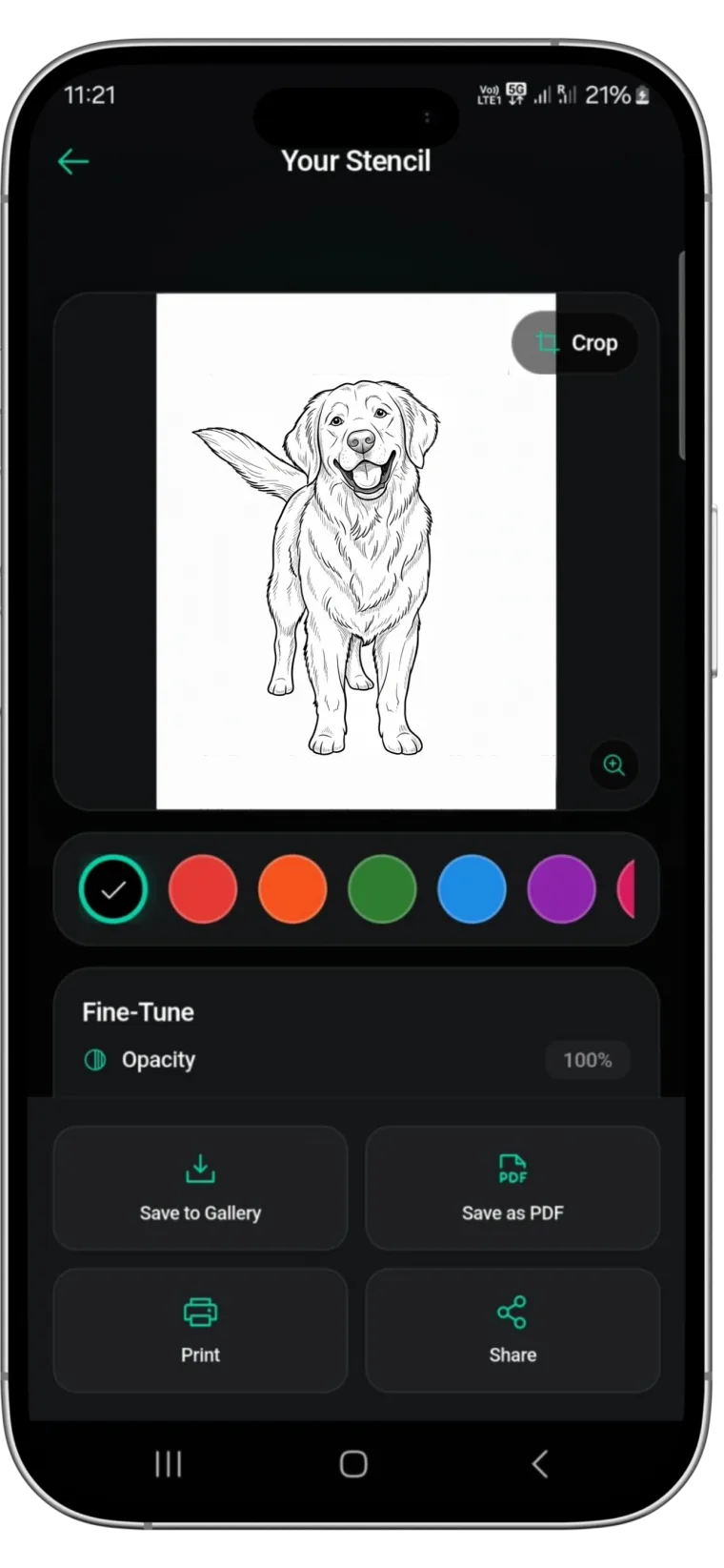
In the past, achieving this level of separation required hours of digital manipulation in complex photo editors or tedious hand-tracing over a light box. Today, the modern artist can reclaim that time without sacrificing quality. Stencify has emerged as the premier tattoo stencil app for professionals who demand precision.
By functioning as an intelligent tattoo stencil maker, Stencify automates the contrast adjustment and edge detection processes described above. It allows artists to visualize how a reference will translate to linework instantly, ensuring the final transfer is clean, bold, and ready for the skin. Instead of wrestling with settings, you can focus on the art. Elevate your workflow and ensure every session starts with a flawless blueprint.
Related reading
- The Foundation of a Flawless Stencil - mastering contrast and line weight
- Precision in Every Line - the science of high-contrast stencils
- The Art of Reduction - optimizing the reference to stencil workflow
From reference to flawless blueprint, instantly
Stencify automates contrast adjustment and edge detection to produce clean, bold transfer guides from any source image. Focus on art, not administration.