Tattoo Apprenticeship: How to Get One, What It Costs, and What You Will Actually Do
• by DND Applications • 10 min read
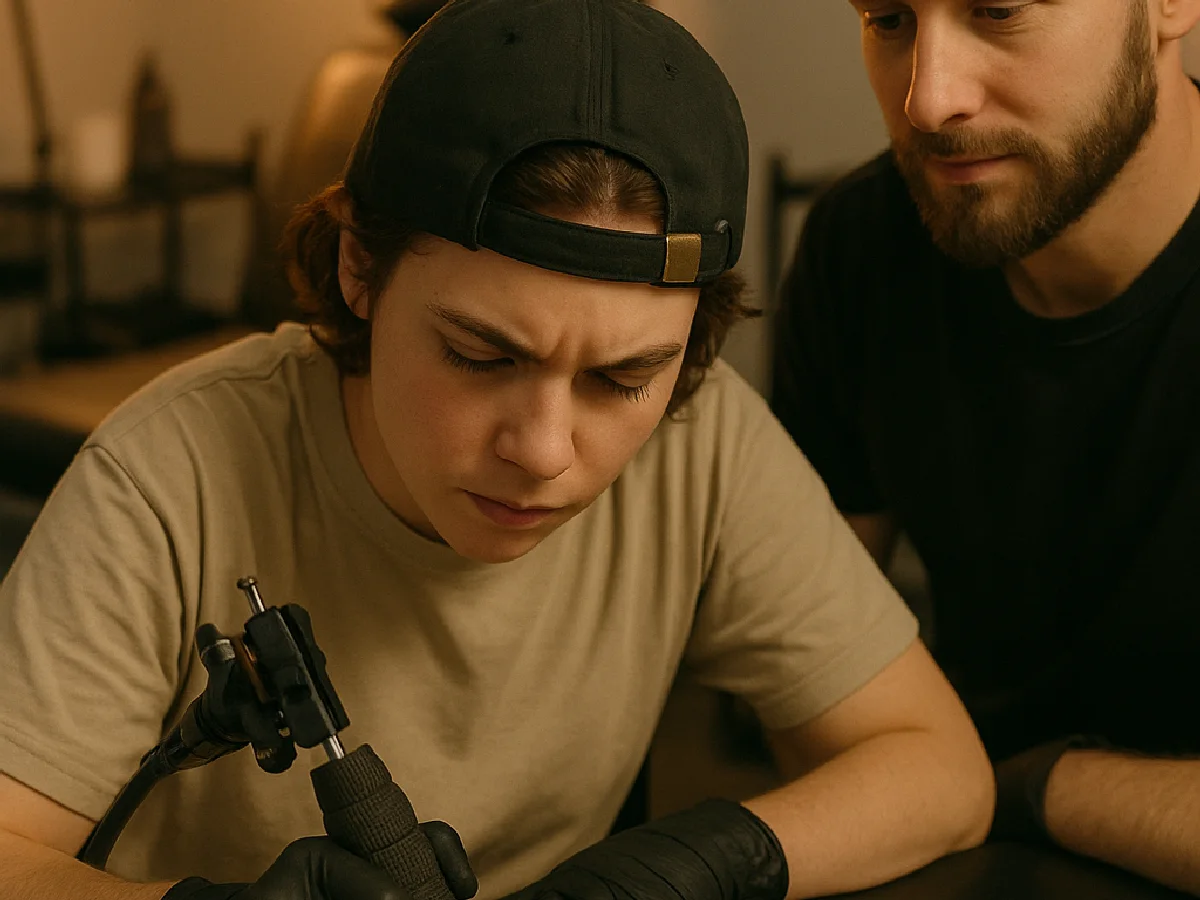
There is no school that makes you a tattoo artist. There is a shop that agrees to teach you, usually for a year or more, in exchange for your time and work. That is an apprenticeship, and getting one is the hard part. This guide covers how artists actually land them, what the first year looks like, the paperwork that varies by region, and the warning signs of a bad deal.
Key takeaways
- Expect one to three years. The first months are drawing and shop work, not tattooing.
- A physical portfolio of 30 to 50 finished, tattoo-ready drawings is what opens doors.
- Bloodborne pathogens certification is required almost everywhere; licensing rules differ by state and country.
- Big upfront fees with no teaching plan are a red flag. So is being handed a machine in week one.
What an apprenticeship is, and is not
An apprenticeship is one experienced artist, or one shop, taking responsibility for teaching you to tattoo safely and well. It is not a course with a certificate at the end, and the certificate programs that advertise themselves as apprenticeships rarely carry weight with working artists. The relationship is personal. You are asking someone to spend hundreds of hours on you, so everything below is about making that an easy yes.
Step 1: Build the portfolio
- 30 to 50 finished pieces. Finished means inked or fully rendered, not sketches.
- Draw for tattoos. Clean line work, readable at a distance, designs that would sit on a body part. Include traditional, black and grey, lettering and a few realistic studies.
- Show range and consistency. A shop wants to see that you can draw what clients ask for, not only your favourite style.
- Present it physically. A folder of prints you can hand over at the counter. A phone gallery reads as casual.
- Draw every day. The portfolio is never finished; shops notice growth between visits.
Step 2: Pick the right shops
Look for shops whose work you admire and whose style you could learn from, with artists who have been there for years. Stability matters because your mentor needs to still be there in eighteen months. Visit as a client first if you can afford it: getting tattooed by someone is the most honest way to see how they work and whether they teach while they do it.
Step 3: Approach without being a nuisance
- Go in person, at a quiet time, never Saturday afternoon.
- Introduce yourself, say you are looking for an apprenticeship, and ask whether anyone there takes apprentices. Accept a no gracefully.
- If invited, show the portfolio and ask what they would want to see more of. Then go draw that and come back.
- Be useful before you are asked. Artists remember the person who swept up while waiting.
- Follow up every few weeks with new work. Persistence over months is normal.
Red flags
- Large upfront fees with no written plan of what you will learn and when.
- A machine on day one. Good shops make you earn it with hygiene training and drawing first.
- No bloodborne pathogens training before you touch a client.
- No licensed artists in a region that licenses them.
- Being told to buy equipment from the shop at marked-up prices as a condition.
What you will actually do
| Phase | Typical length | What fills your days |
|---|---|---|
| Shop work and drawing | 2 to 6 months | Cleaning, setting up stations, breaking down, front desk, drawing flash, watching |
| Stencils and prep | Overlaps | Making and transferring stencils for the artists, sizing, printing, learning stencil solution and paper |
| Practice skin | 2 to 6 months | Machine setup, needle depth, lines, then shading on synthetic skin and fruit |
| Supervised tattoos | 6 to 18 months | Small pieces on friends and walk-ins who consent to an apprentice, under direct supervision |
Stencils deserve a note. It is the first real tattoo task most apprentices are trusted with, it happens on every client, and artists notice when it is done well. Learn how to make a stencil, how to transfer it, and how stencil solution behaves before you ask for an apprenticeship. Walking in already able to produce a clean, correctly sized stencil from a client's phone photo is a genuine advantage.
Certifications and licensing
- Bloodborne pathogens certification is required almost everywhere and takes a few hours online. Get it before you apply; it signals seriousness.
- Licensing varies widely. Some US states require logged apprenticeship hours and an exam, some only register the shop, and other countries range from strict to none. Check your local health department rules and plan the apprenticeship to meet them.
- First aid and hygiene courses are often required by the shop's insurer.
How long it takes, honestly
One to three years to become a working artist, and the first year is rarely glamorous. Most apprentices keep another job. The ones who make it treat the shop time as a privilege, draw relentlessly, and become the person the artists are glad to see arrive. If you can do that, the machine comes.
Tools worth having before day one
- A sketchbook and the discipline to fill it.
- A drawing app on whatever device you own. Our design app guide lists free options for iPhone and Android.
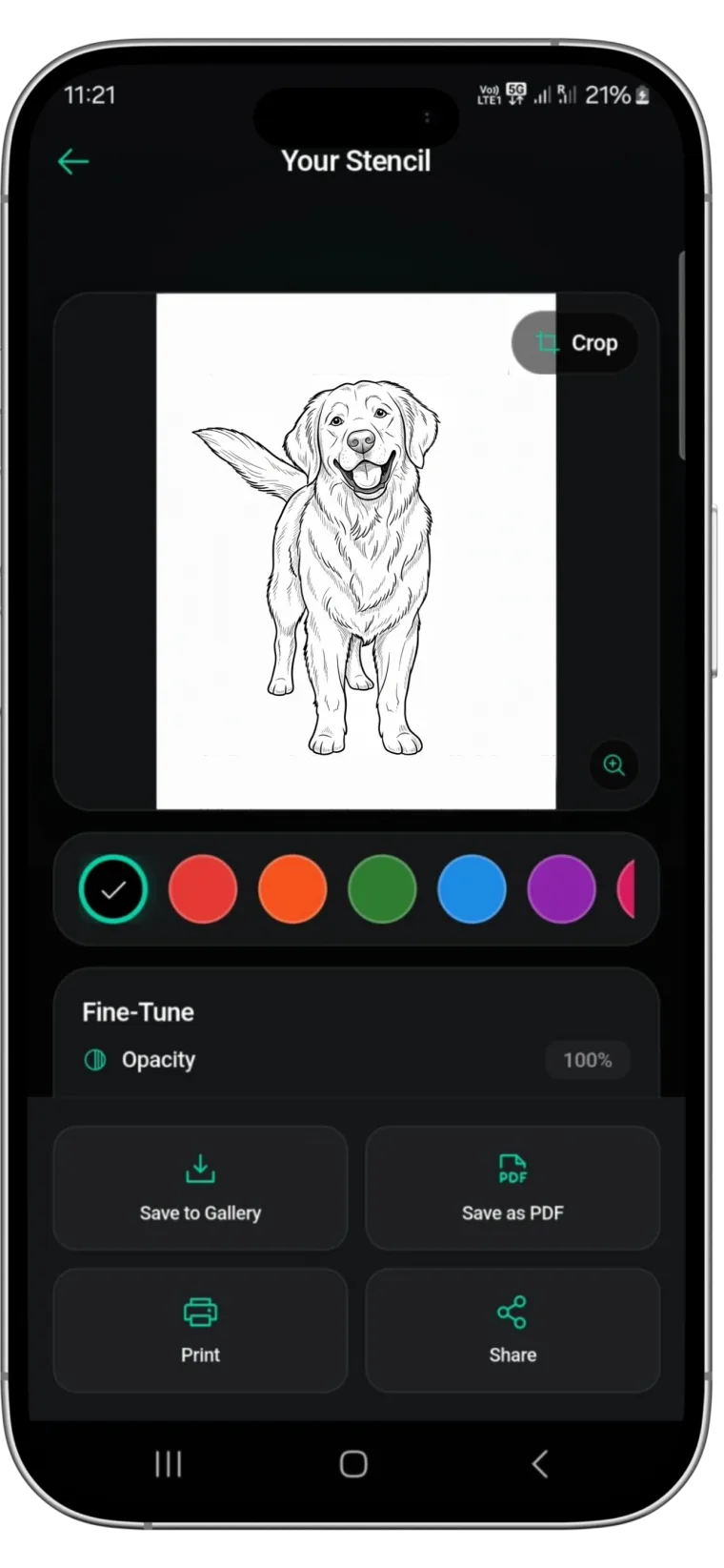
- A stencil app, so your stencil work is clean from the first week. Stencify turns a photo or sketch into print-ready line work in about 30 seconds: get Stencify on the App Store or on Google Play.
- Practice skin and a cheap pen machine for home practice once your mentor says so, not before.
Frequently asked questions
How long does a tattoo apprenticeship take?
Most run one to three years. The first months are usually shop work and drawing before you touch a machine, then practice skin, then supervised tattoos on willing clients. Some regions require a minimum number of logged hours before you can be licensed.
Do you get paid during a tattoo apprenticeship?
Often not, and some shops charge a fee for a structured program. Many apprentices work a second job for the first year. An apprenticeship that charges a large fee but offers no teaching plan is a red flag.
Can I become a tattoo artist without an apprenticeship?
Some artists are self-taught, but it is slower, riskier for clients, and in many places you cannot get licensed without documented training. An apprenticeship teaches hygiene, machine setup and skin behaviour that no video can.
What should be in a tattoo apprenticeship portfolio?
Thirty to fifty finished pieces that show you can draw for tattoos: clean line work, solid black and grey, some colour, a range of common subjects, and a few designs drawn at real size on a body. Present them physically in a folder, not only on a phone.
Related reading
- How to Make a Tattoo Stencil - the first skill every apprentice is asked for
- How to Use Tattoo Transfer Paper - transfers that survive a session
- Tattoo Stencil Solution - what to use and how much
- Best Tattoo Design Apps for Artists - the tools working artists use
Stencils are the apprentice job you can master first
Stencify turns references into clean, print-ready stencils in about 30 seconds, so your stencil work looks professional from week one.