Memorial Tattoo Ideas, and How to Turn a Photo Into the Stencil
• by DND Applications • 8 min read
A memorial tattoo carries more weight than almost any other design, and it usually starts from something irreplaceable: a photo, a card in someone's handwriting, a pet's portrait. The ideas below are the ones people return to most, with the practical detail that makes each work on skin, and how to get from the original to a stencil without losing what makes it personal.
Key takeaways
- Start from the original: a photo, handwriting or drawing. Converting it keeps details that a redraw would change.
- Portraits need size. A face smaller than about 5 cm loses its likeness as the tattoo heals.
- Simple symbols with a date or name age well and suit small placements such as the wrist or behind the ear.
- Try the design on a photo of the placement before booking, so size and position are settled calmly.
Memorial tattoo ideas
- Portrait from a photo. The most personal option. Choose a sharp photo with side light; fine line portraits need at least palm size to keep the likeness.
- Handwriting or signature. A line from a card or letter in their hand. Convert the photo of the writing rather than retyping it; see handwriting and signature stencils.
- Name with dates. Clean lettering, often combined with a small symbol. Keep letter height above about 5 mm; the lettering guide covers spacing.
- Their favourite flower. A rose, a peony or a birth flower is a quiet way to carry someone with you.
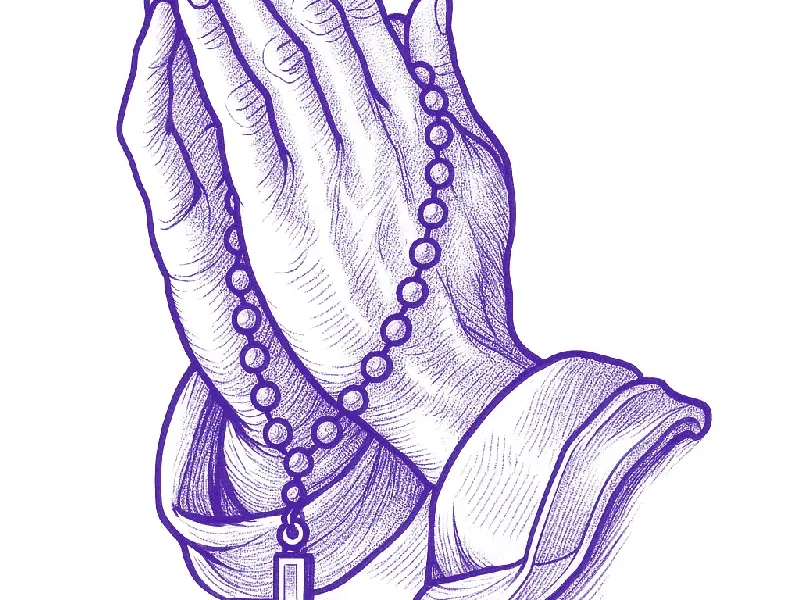
- Praying hands, angel wings or a cross. Traditional memorial symbols that work at many sizes.
- Pet portrait or paw print. For a lost companion, from your own photo; see the pet portrait guide.
- A heartbeat line. Simple line work, sometimes combined with a name or date.
- Coordinates or a place. The place you shared, as numbers or a small landscape outline.
- A drawing they made. A child's drawing or a sketch from a parent, kept exactly as drawn.
Size and placement
| Design | Minimum practical size | Common placement |
|---|---|---|
| Portrait | About 7 to 10 cm tall | Forearm, upper arm, calf |
| Handwriting | Strokes at needle width or thicker | Forearm, wrist, collarbone |
| Name and dates | Letters about 5 mm high | Wrist, ribs, behind the ear |
| Small symbol | About 2 to 4 cm | Wrist, finger, ankle |
From the original to the stencil
- Photograph the original flat and in daylight: a photo of the photo, the card, or the drawing.
- Convert it into clean line work without redrawing, so the face, writing or lines stay true.
- Adjust line weight for the style and check that small details stay open at the planned size.
- Try it on a photo of the placement and settle the size before the appointment.
- Bring the stencil file and the original to your artist.
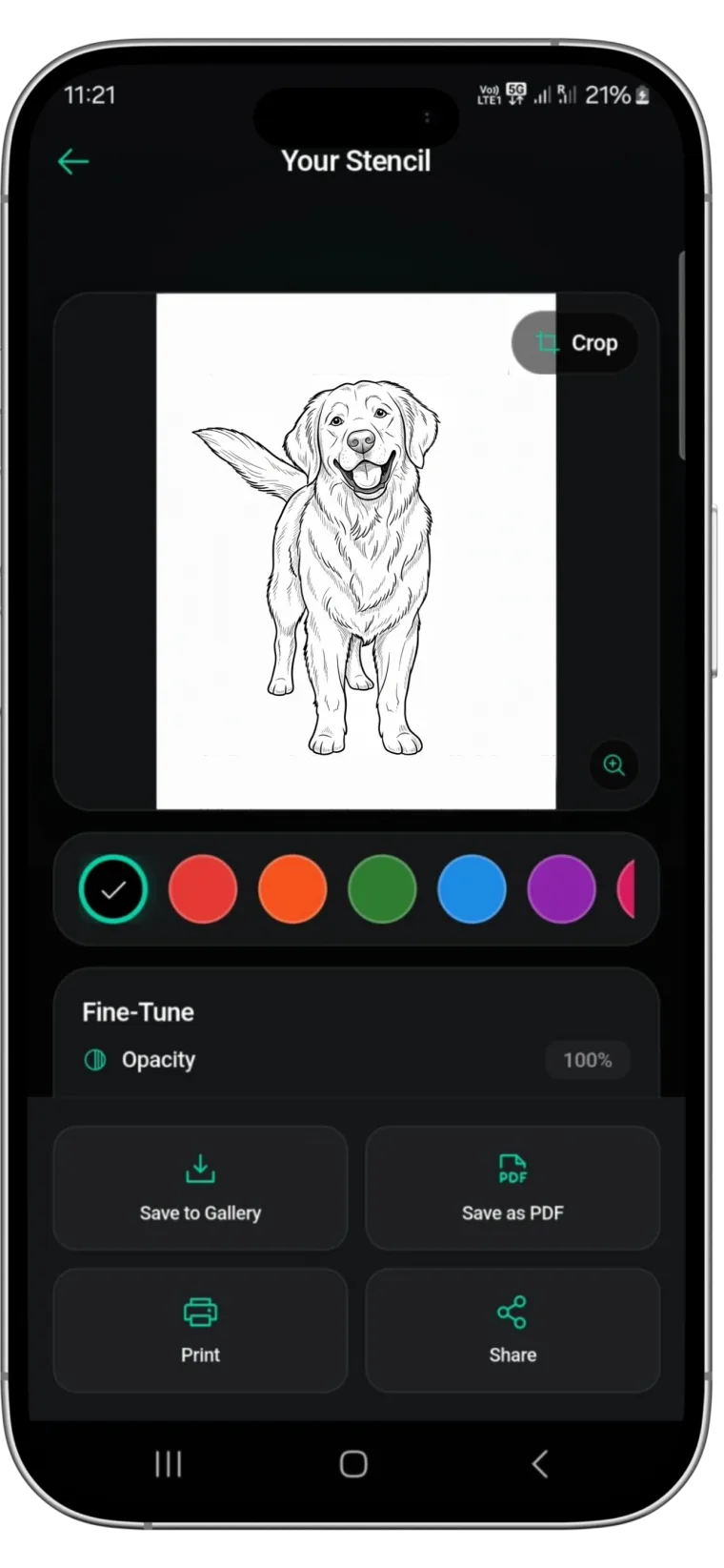
Stencify does each of these steps in one app: convert a photo, a drawing or handwriting, preview it on skin, and export it ready to print. iPhone, iPad and Android, two free uses: get Stencify on the App Store or on Google Play.
Frequently asked questions
What are good memorial tattoo ideas?
A portrait from a photo, their handwriting or signature, a name with dates, their favourite flower, praying hands or wings, a pet portrait or paw print, a heartbeat line, meaningful coordinates, or a drawing they made.
How big should a memorial portrait tattoo be?
Usually at least 7 to 10 cm tall. Smaller faces lose detail as the tattoo heals and can stop looking like the person.
Can I get a tattoo of someone's handwriting?
Yes. Photograph the original writing and convert it into a stencil rather than retyping it, so every stroke stays as they wrote it.
How do I give my artist a photo for a memorial tattoo?
Bring the sharpest photo you have and, ideally, a clean line version made from it, sized to the placement. It speeds up the consultation and keeps the details accurate.
Related reading
- Handwriting and Signature Stencils - their writing, kept exactly
- Pet Portrait Tattoo - for a lost companion
- How to Make a Tattoo Stencil From a Picture - portraits from photos
- Tattoo Try-On - settling size and placement calmly
Keep the details exactly as they were
Stencify turns a photo, a drawing or handwriting into a clean stencil without redrawing it.