Stencil library
Chicano tattoo stencil
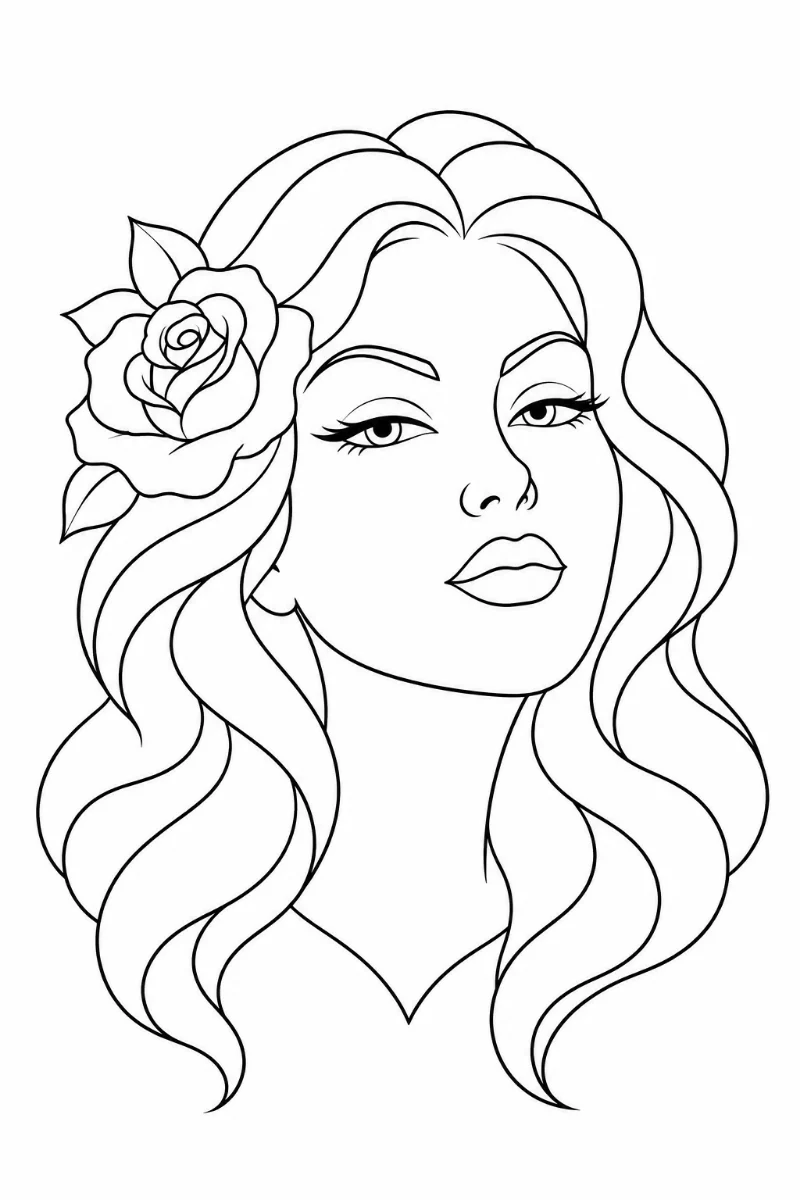
Chicano tattooing is a style, not a single subject. It grew out of Mexican-American communities in the American Southwest, especially Los Angeles, and is known for single-needle black and grey work, smooth gradients and lettering that flows. For the stencil, that means fewer lines than you might expect: the style is built on soft shading, so the transfer is mostly a placement guide.
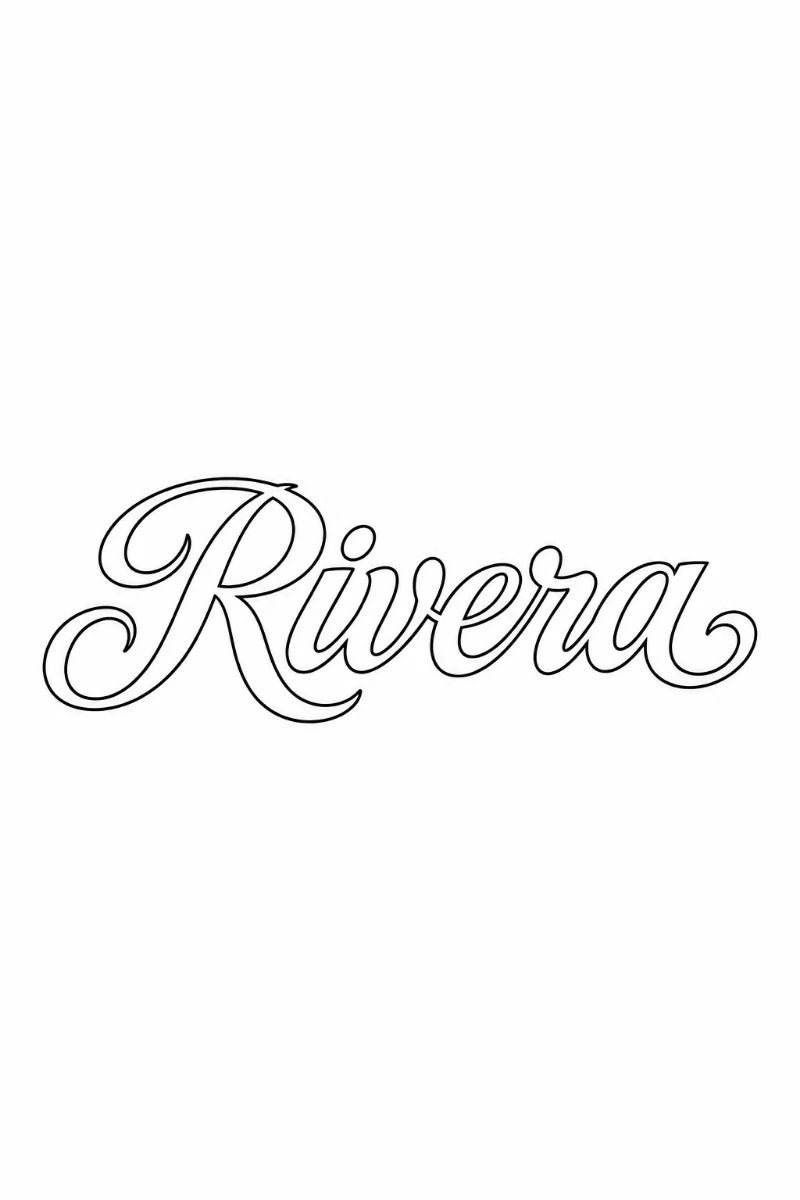
- Sample stencils, Stencify style
- Line work for thermal or hand transfer
- Prints on A4 or US Letter
- Updated Oct 19, 2026
What a Chicano tattoo means
Chicano tattooing has roots in barrio life and in pinto art, the work made by incarcerated Chicanos. Early artists often worked with homemade machines and a single needle, which led to the fine lines and soft black and grey the style is known for. It moved into street shops from the 1970s onward and is now practised worldwide. Common imagery includes Our Lady of Guadalupe, roses, praying hands, rosaries, clowns, lowriders, portraits of loved ones, Aztec references and family names in script.
For many clients these images are about faith, family, neighbourhood and heritage. Treat them as personal, not decorative.
Popular Chicano tattoo styles
Black and grey single needle
Very fine outlines, sometimes none, with gradients built up gradually. The stencil should be the lightest version that still shows where everything sits.
Script and lettering
Old English blackletter and flowing Chicano script, often for names and dates. Lettering stencils need exact spacing, and the weight should match the script rather than the converter's default.
Portraiture and religious pieces
Realistic faces, often women, saints or family. Facial lines stay minimal so the shading can do the work.
Placement and size
- Back pieces and chest panels are traditional for larger compositions with several elements.
- Forearms and calves carry portraits and religious pieces at six to eight inches.
- Script across the stomach, the chest or the upper back needs a curve that follows the body. Check the baseline with the client standing.
- Neck and hand script is common but small. Keep letter interiors open enough that they will not close as the tattoo heals.
Line weight tips for a Chicano stencil
- Set line weight low. The style rarely uses heavy outlines, and a thick stencil line pushes you toward lining what should be shaded.
- Mark value edges as single thin lines where shadows meet light, not as outlines of every feature.
- For lettering, convert from a clean drawn layout or a text prompt rather than a photo of an existing tattoo. Check every letter at print size.
- Keep the stencil complete for multi-element pieces. A single conversion keeps the weights consistent between the portrait, the rose and the script.
- Use contrast to drop background clutter from photos so only the subject remains.
Frequently asked questions
What makes a tattoo Chicano style?
Fine single-needle black and grey, smooth gradients, flowing script and imagery from Mexican-American life, faith and family. It is a style with cultural roots, not just a set of subjects.
Should a Chicano stencil be outlined heavily?
No. Keep it light and sparse. Most of the image is shaded, so the stencil marks placement and the key edges only.
Can I make a script stencil for a name in Chicano lettering?
Yes. Lay it out from a clean drawing or text prompt, check spacing and size at print scale, and keep letter interiors open.
More subjects
Related reading
- Tattoo Lettering Stencil - size, spacing and mirroring
- How to Make a Realism Tattoo Stencil - mapping values without over-lining
- Stencil Technique by Style - fine line to traditional
Make your own Chicano stencil
Turn a family photo, a sketch or a written name into fine line work, then lower line weight to keep the stencil as light as the style needs. Stencify turns a photo, sketch or text into print-ready line work in about 30 seconds on iPhone, iPad or Android. Two free uses, then $4.99 a week or $47.99 a year (US).